
 English
 русский
 Español
 عربى
عربى
Thermal Underwear
Thermal underwear is made from high-quality functional fabric, offering excellent warmth, a soft and delicate feel, and a comfortable, non-restrictive fit. It effectively locks in body heat and is suitable for various climates in autumn and winter. The fabric has a stable structure, is resistant to snagging and pilling, and maintains its vibrant color even after multiple washes. It also features anti-static properties and good chemical stability, reducing static electricity and ensuring greater comfort. Furthermore, the fabric boasts excellent moisture-wicking and breathability, quickly absorbing and releasing moisture from the body, helping to regulate the skin's microenvironment and keeping you dry and warm.
-
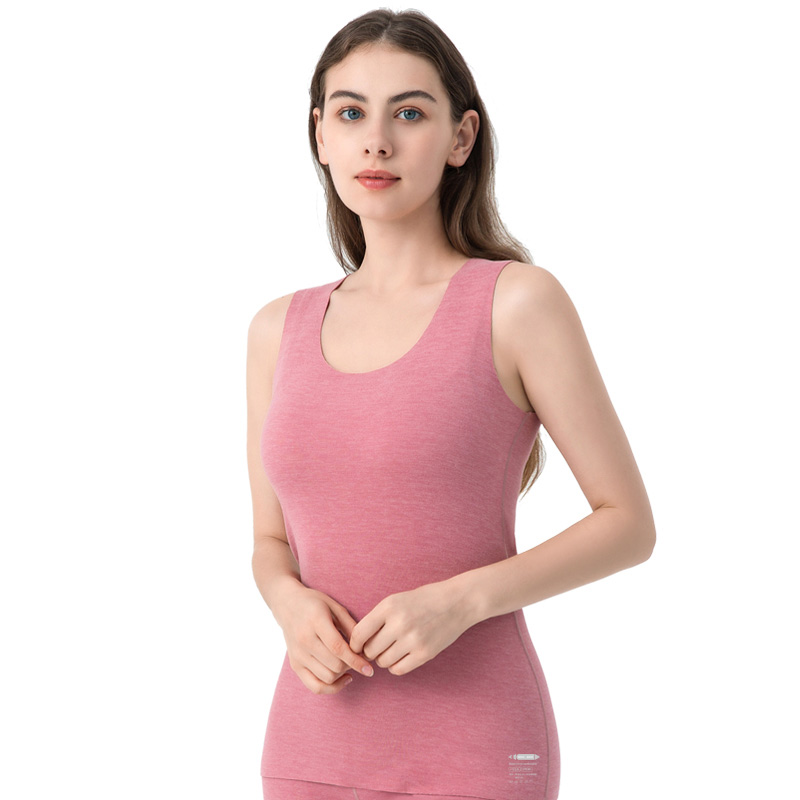
Women Seamless Sandwich Vest
-
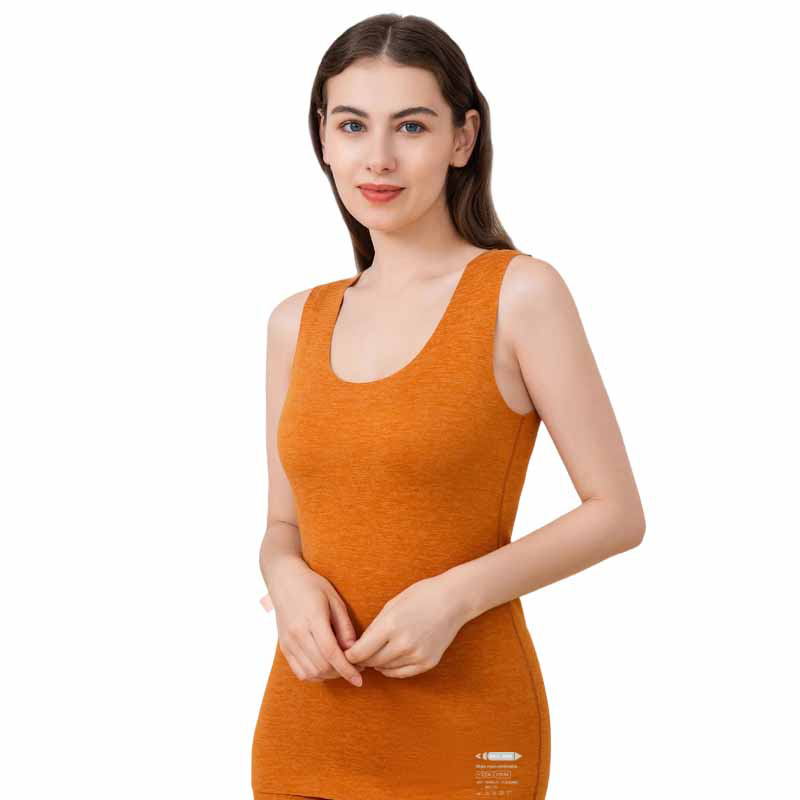
Seamless Sandwich Patchwork Women Set
-
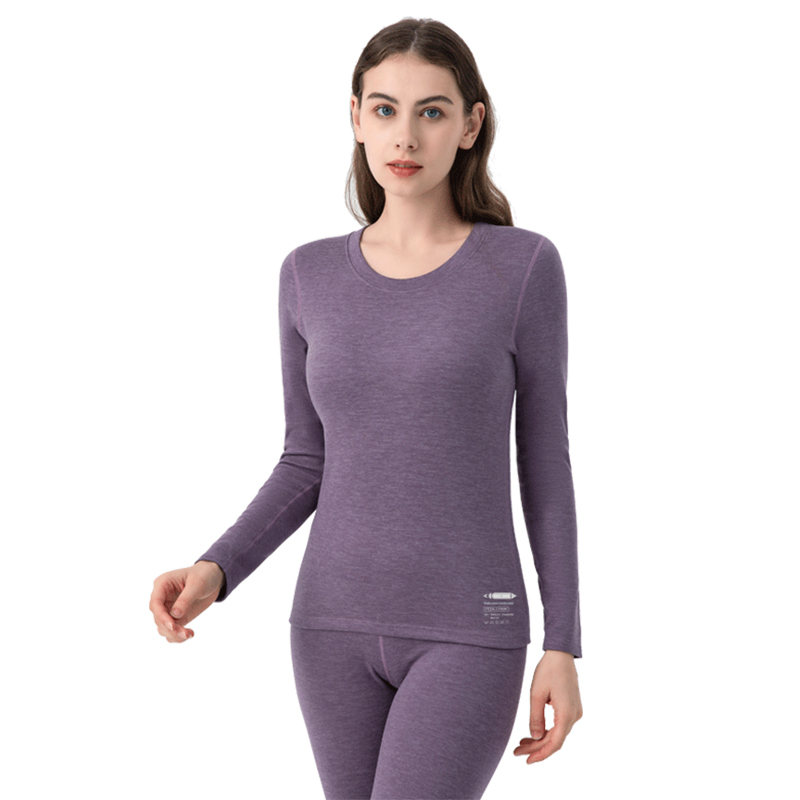
Seamless Sandwich Crew Neck Thermal Women Set
-
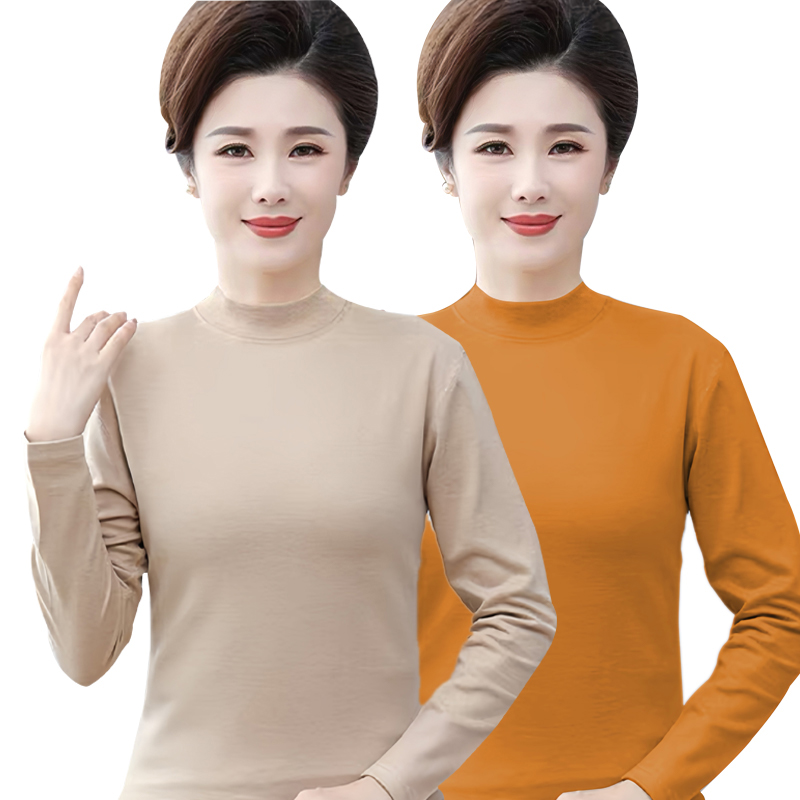
Seamless Sandwich Mid-Neck Thermal Women Set
-
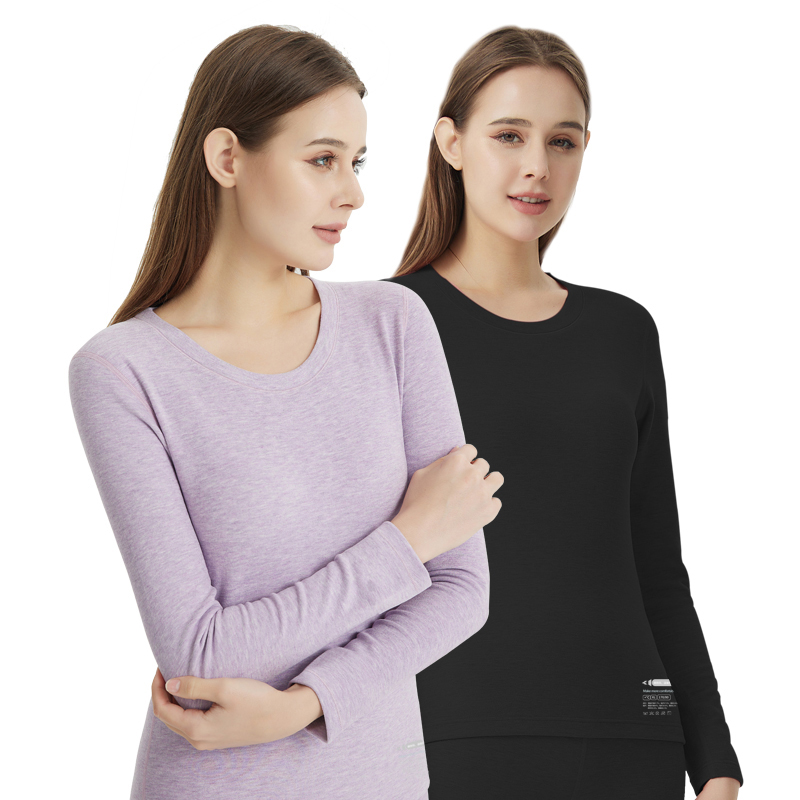
Crew Neck Thermal Underwear Women Set
-
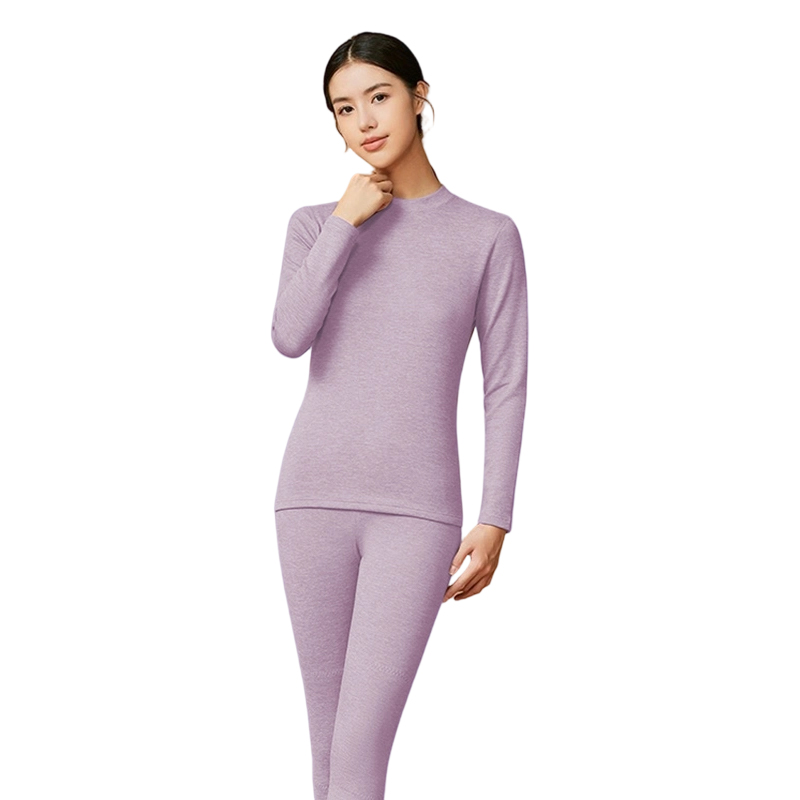
Mid-Neck Thermal Underwear Women Set
-
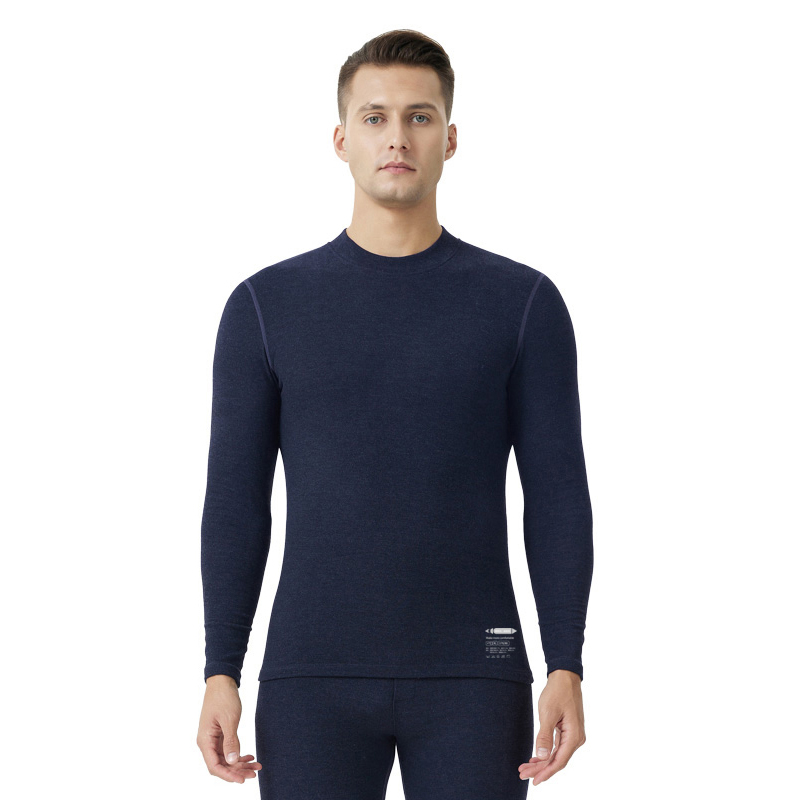
Mid-Collar Fleece-Lined Thermal Underwear Set for Men
-
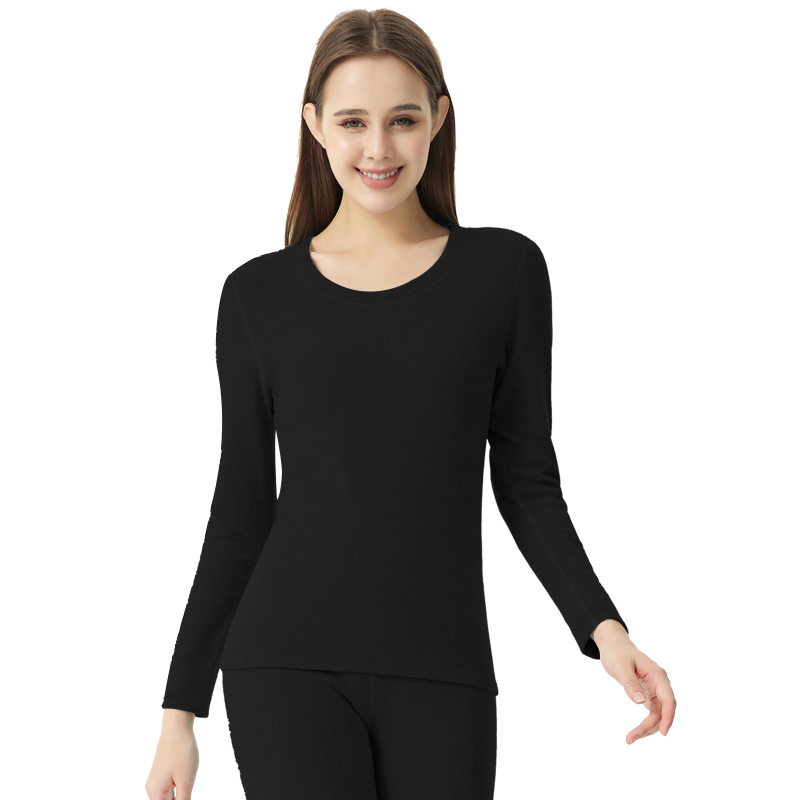
Camel Hair Crew/Mid-Neck Thermal Underwear Women Set
-
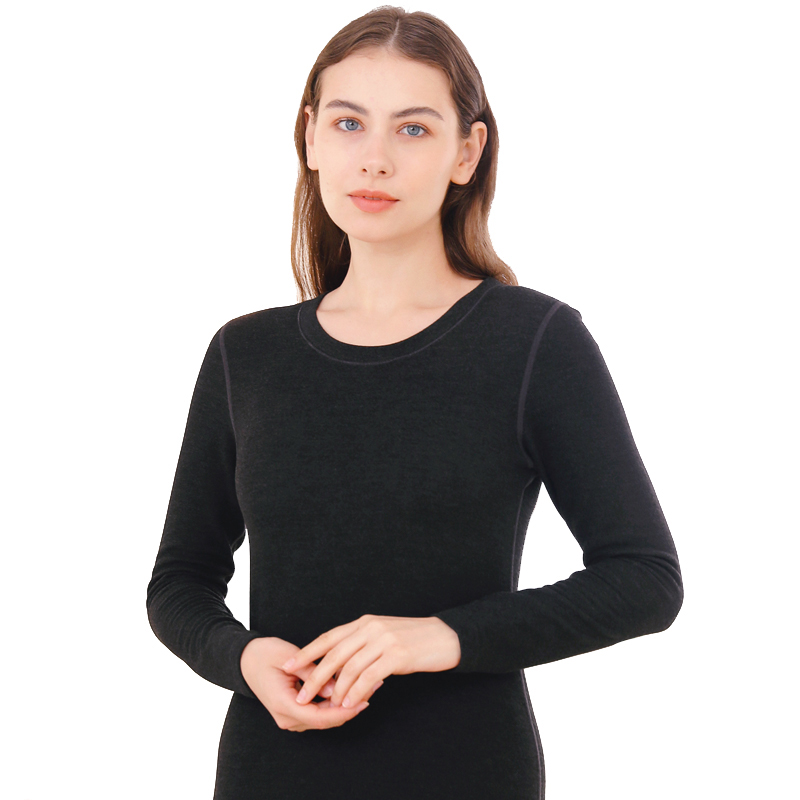
Ab Side German Fleece Crew Neck Thermal Women Set
-
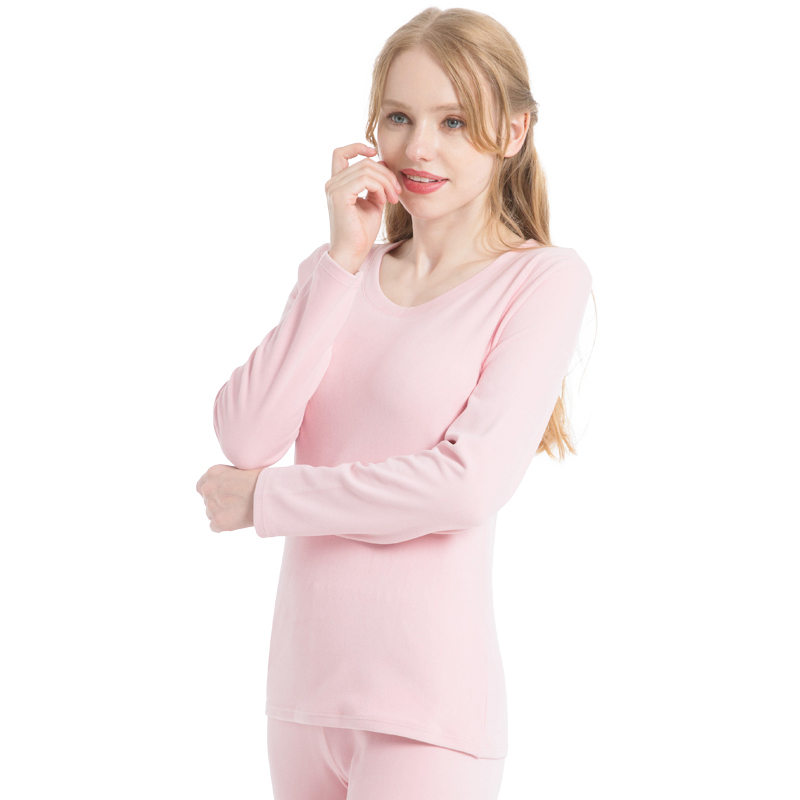
Women German Fleece Brushed Crew Neck Thermal Set
-
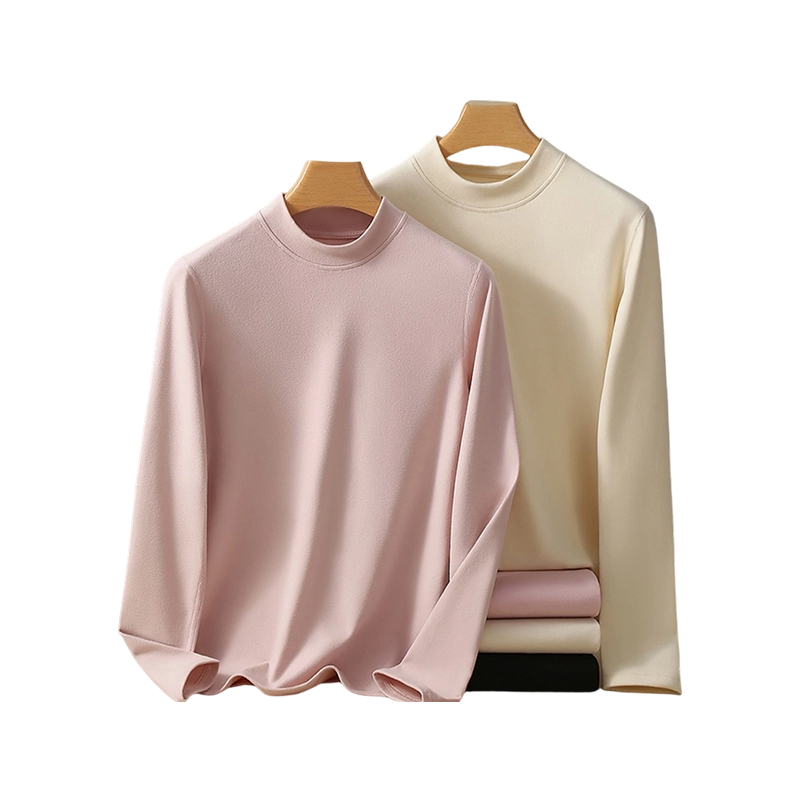
Women Ribbed Cotton German Fleece Mid-Neck Thermal Set
-
Women German Fleece Crew Neck Thermal Underwear Set
Take step and get in touch with us today.

Thermal underwear is a type of close-fitting, functional garment worn underneath outer clothing. Its primary function is to insulate against cold air and retain body heat, while simultaneously wicking moisture away from the skin to prevent heat loss caused by dampness. Typically sold as a two-piece set consisting of a top and bottoms, thermal underwear constitutes the "Base Layer" within a winter layering system.
Modern thermal underwear utilizes a diverse range of materials, spanning everything from natural animal fibers to synthetic technical fabrics; among these, Merino Wool Thermal Underwear and synthetic fiber products are the more mainstream options. Different materials prioritize distinct attributes, such as thermal insulation, breathability, moisture absorption, and skin-feel.
In-Depth Analysis: Merino Wool Thermal Underwear
Merino Wool Thermal Underwear is currently one of the more highly regarded categories of thermal wear on the market. The fibers of Merino wool typically measure between 17 and 21 microns in diameter—significantly finer than standard wool (>30 microns). Consequently, it does not cause the prickly or itchy sensation often associated with coarser wools when worn directly against the skin, making it comfortable for extended wear.
Its core advantages are demonstrated in the following key areas:
- Bi-directional Temperature Regulation
It retains heat when you are cold and dissipates heat when you are warm, effectively maintaining a comfortable skin temperature across a variety of environmental conditions.
- Naturally Moisture-Wicking
Wool fibers can absorb approximately 30% of their own weight in moisture while still retaining warmth, even when thoroughly saturated.
- Naturally Antibacterial and Odor-Resistant
The keratin protein found in wool inhibits bacterial growth; consequently, garments remain significantly fresher and produce less odor than synthetic fibers after multiple days of wear.
- Sustainable Natural Fiber
Biodegradable and possessing a lower environmental impact compared to petroleum-based synthetic fibers.
- Thickness Ratings and Temperature Zones
Thermal underwear thickness is typically indicated by fabric weight (g/m²), categorized into three tiers—Lightweight, Midweight, and Heavyweight—to suit varying climates and activity levels.
| Rating | Weight Reference | Suitable Temperature Range | Activity Type |
| Lightweight | 150–200 g/m² | 5°C – 15°C | Running, Cycling, Light Hiking |
| Midweight | 200–260 g/m² | -5°C – 5°C | General Hiking, Skiing, Urban Commuting |
| Heavyweight | 260 g/m² and above | Below -15°C | Polar Expeditions, Winter Camping, Static Cold Conditions |
Buying Tip: For high-intensity activities, opt for lighter-weight styles to prevent overheating and excessive sweating. For prolonged periods of inactivity (static states), heavier-weight versions are recommended to ensure good thermal comfort.
Thermal Underwear Care Instructions
Proper care extends the lifespan of thermal underwear, particularly for natural fiber products. For Merino Wool Thermal Underwear, we recommend hand washing or machine washing on a wool cycle using cold water (or water below 30°C); avoid high-heat tumble drying and the use of bleach. Synthetic fiber products are generally more durable in the wash, but you should avoid using laundry cycles that include fabric softeners, as these can compromise the garment's moisture-wicking capabilities.
Frequently Asked Questions (FAQ)
Is Merino Wool Thermal Underwear itchy?
Merino wool fibers are exceptionally fine—typically under 21 microns in diameter—offering a soft, smooth feel against the skin. Consequently, the vast majority of people do not experience any noticeable itchiness. However, individual skin sensitivity varies; if you are purchasing for the first time, we recommend selecting a lighter-weight style to try out first.
Can Thermal Underwear be worn as outerwear?
Thermal underwear is designed primarily to serve as a base layer, worn directly against the skin. While some styles feature a slim fit that allows them to be worn on their own indoors, it is generally recommended to pair them with an outer layer when in formal or public settings. If you intend to wear the garment as an outer layer, consider choosing base layer styles—such as T-shirts or cropped pants—that are specifically designed for this purpose.
How often should thermal underwear be washed?
This depends on the material and the intensity of your activity. Because Merino wool thermal underwear is naturally antimicrobial, it can be worn for several days—even after light sweating—without developing noticeable odors; typically, washing it once every 3 to 5 days is sufficient. Synthetic fiber products, however, tend to accumulate odors more easily, so it is recommended to wash them promptly after every activity.
What is the difference between thermal underwear and standard long johns?
Standard long johns are typically made primarily of cotton; while they prioritize warmth, they possess poor moisture-absorption and wicking capabilities, which can leave you feeling cold once the fabric becomes damp. Functional thermal underwear, on the other hand, typically utilizes engineered fibers that offer good moisture-wicking properties and lightweight thermal insulation, making them ideal for wear during physical activities.
How can you determine if your thermal underwear is the right size?
Thermal underwear should fit snugly against the body without being overly tight, allowing for a full range of motion and unrestricted stretching. A fit that is too loose will compromise the garment's ability to retain body heat, whereas a fit that is too tight can restrict blood circulation and cause discomfort. It is recommended to select your size by referencing the specific product's measurements for chest circumference, waist circumference, and height, keeping in mind that the elasticity of different fabrics may vary.
-

We are a professional clothing manufacturer specializing in comfortable and high-quality basic clothing.
-
Quick Links
Company Why Us Resource Thermal Underwear Blog Contact -
Products
Women Thermal Underwear Men Thermal Underwear Child's Thermal Underwear -
About Us
Factory Honour FAQ -
- Call our office Phone: +86-18058499998
- Send a message E-mail: [email protected]
- Our address 7th Floor, No. 478, Ganxi West Street, Jiangbei Subdistrict, Dongyang City, Jinhua City, Zhejiang Province
