
 English
 русский
 Español
 عربى
عربى
Men Thermal Underwear
The men thermal underwear is made from high-quality fabric, offering a soft and delicate feel, combining comfort and durability to provide comprehensive warmth and protection during the cold season. The fabric boasts excellent elasticity, conforming to the body's curves and allowing for free movement without restriction, ensuring comfort and flexibility whether at home, during outdoor activities, or commuting. The design prioritizes practicality and convenience, making it easy to put on and take off for everyday use. The underwear offers exceptional thermal insulation, quickly locking in body heat even in low temperatures, keeping you warm while also providing excellent breathability to prevent stuffiness and sweat, keeping your skin dry and comfortable all day long. The fine craftsmanship ensures durability and washability, resisting deformation and pilling, maintaining its like-new condition for a long time. The overall style is simple and elegant, balancing aesthetics and functionality, making it an indispensable piece of thermal wear for your winter wardrobe.
-
Mid-Collar Fleece-Lined Thermal Underwear Set for Men
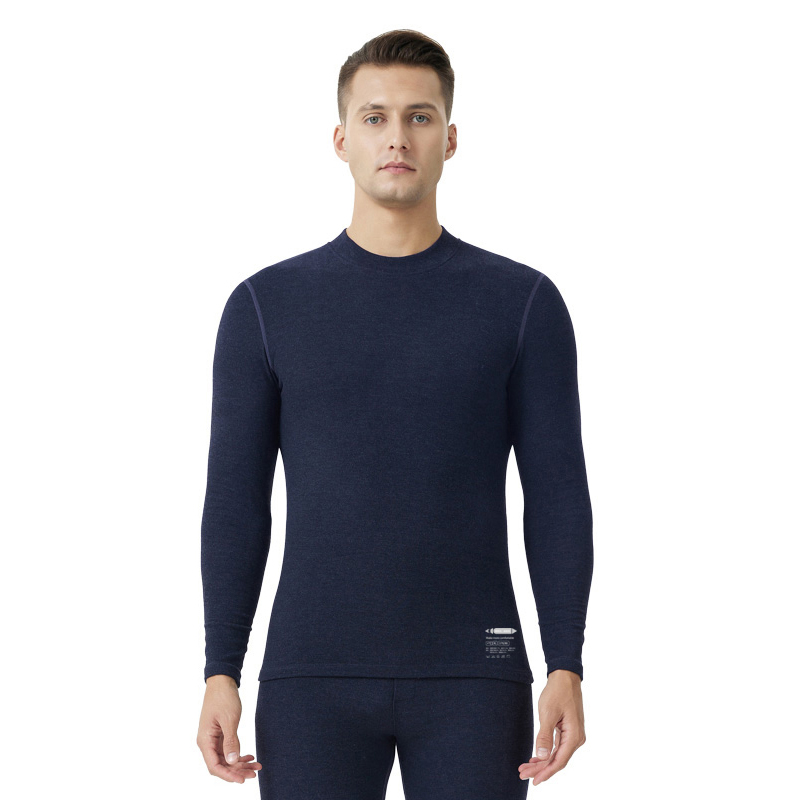
-
Seamless Men Vest
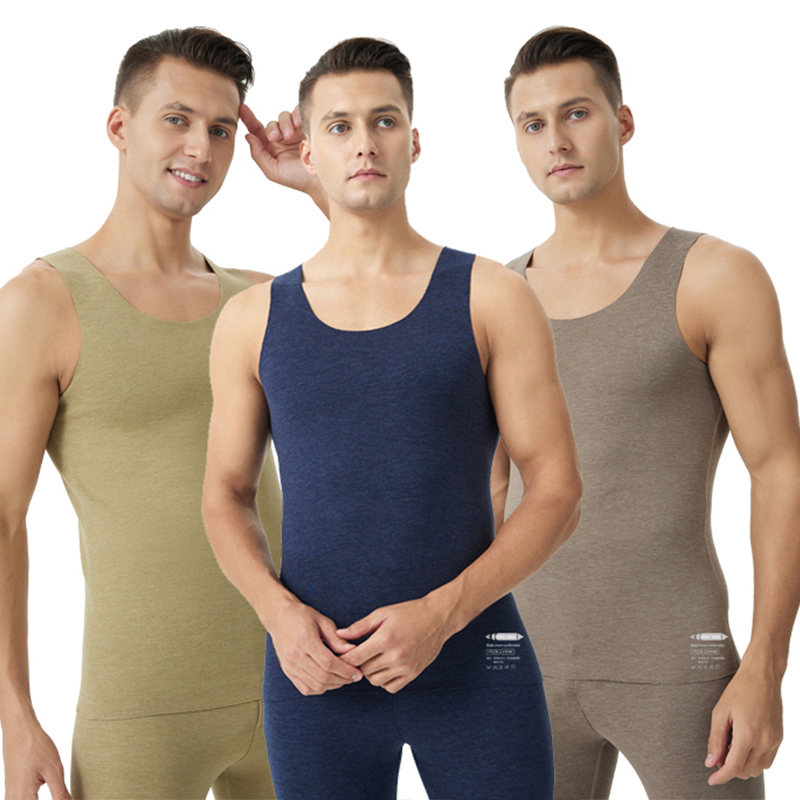
-
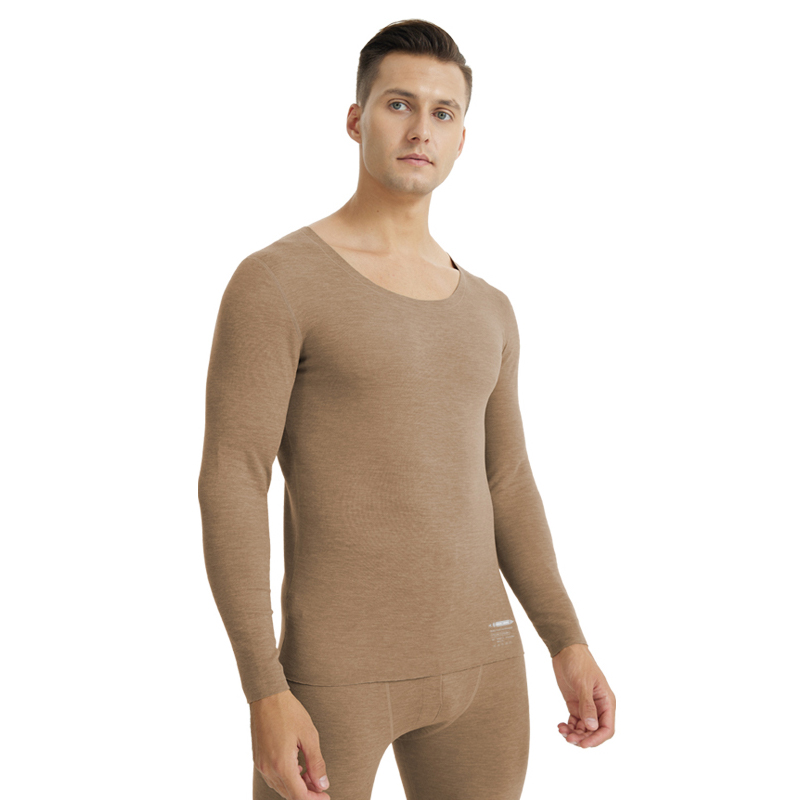
Seamless Sandwich Crew Neck Patchwork Men Thermal Set
-
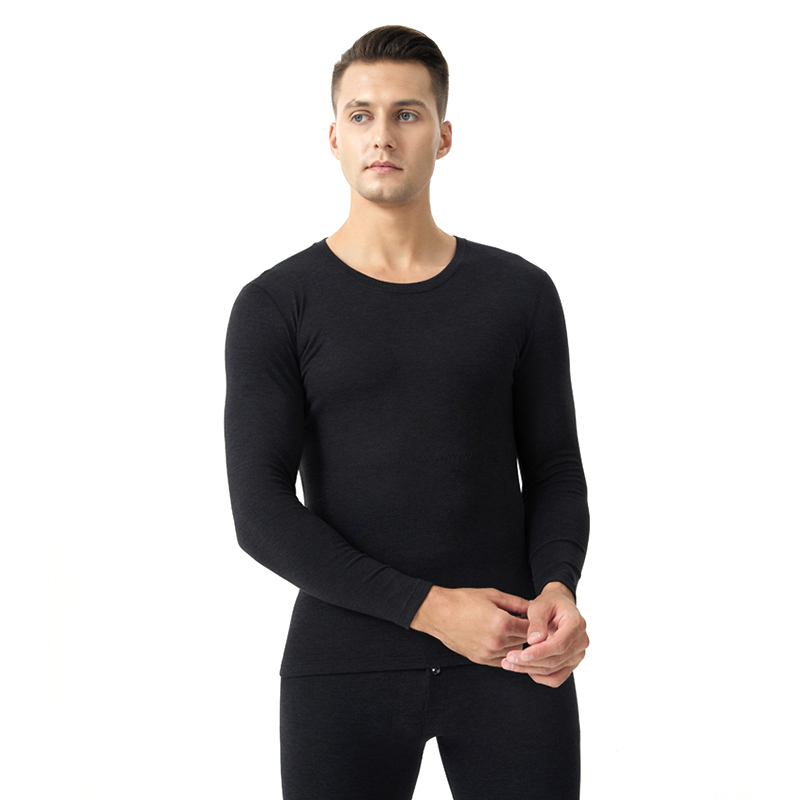
Crew Neck Thermal Underwear Men Thermal Underwear Sets
-
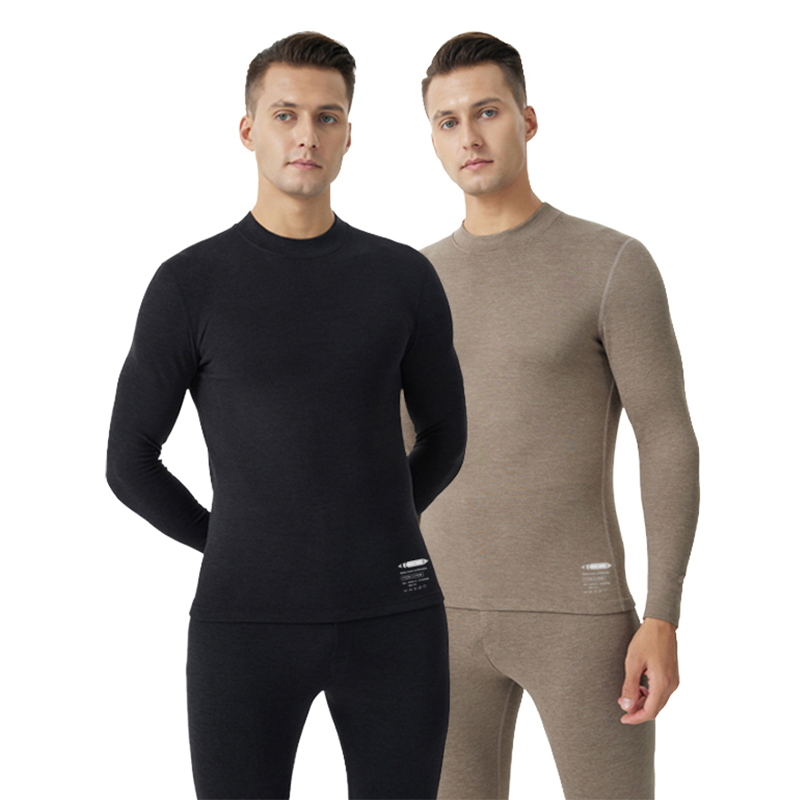
Crew Neck/Middle Neck Thermal Underwear Men Sets
-
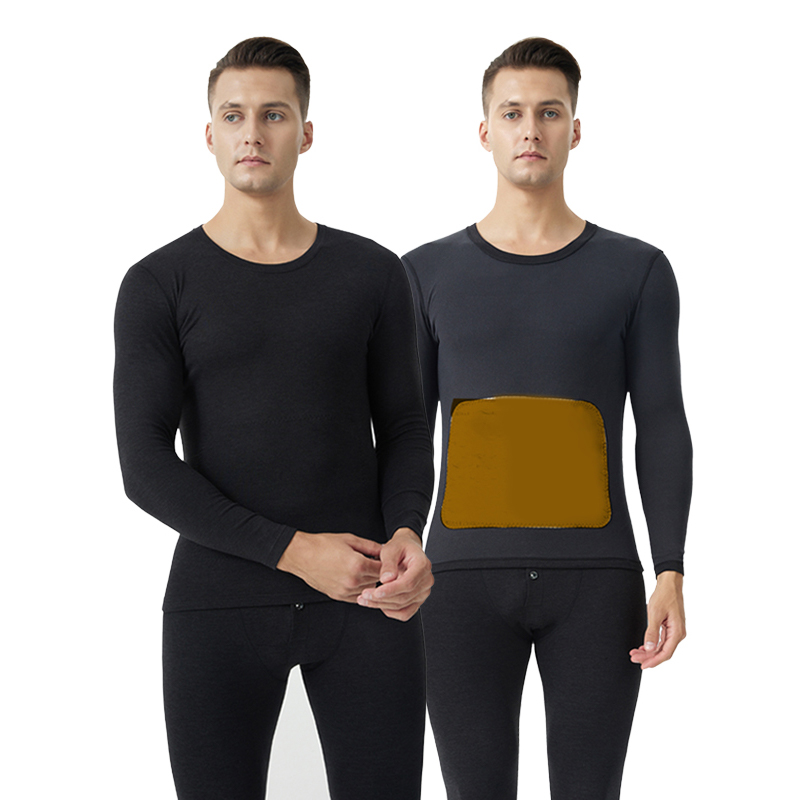
Middle Neck Patch Men Thermal Underwear Sets
-
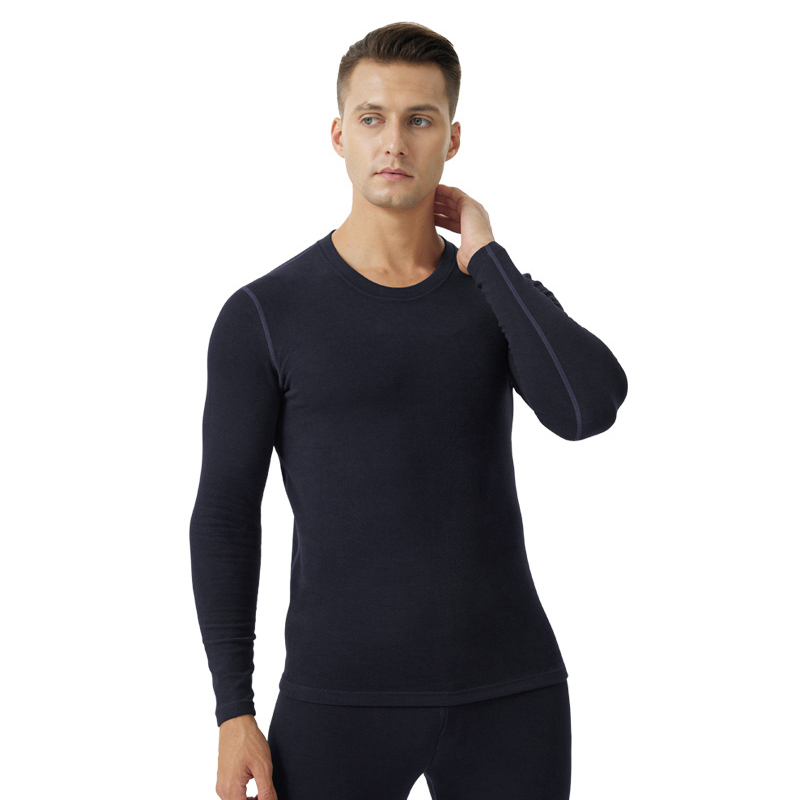
Crew Neck Thermal Underwear Men Sets
-
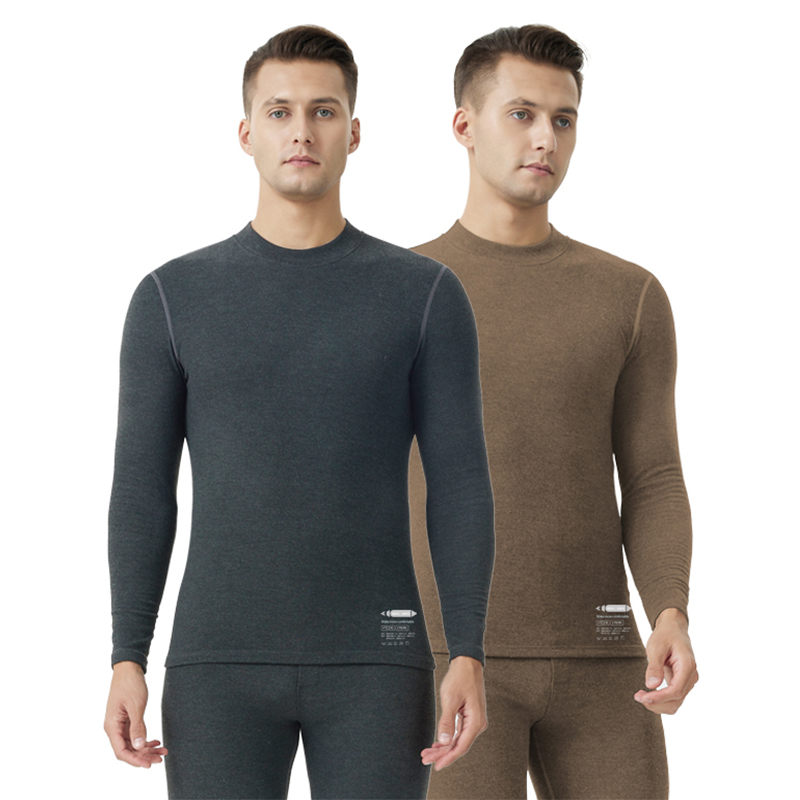
Middle Neck Thermal Underwear Men Sets
-
Crew Neck Patch Thermal Underwear Men Sets
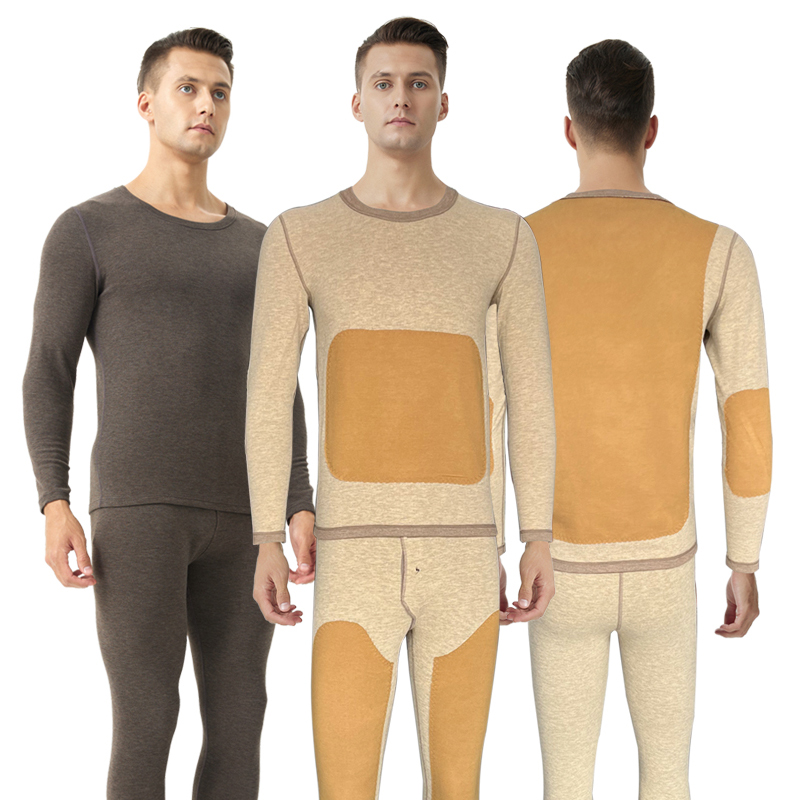
-
Camel Hair Crew Neck/Middle Neck Thermal Underwear Men Sets
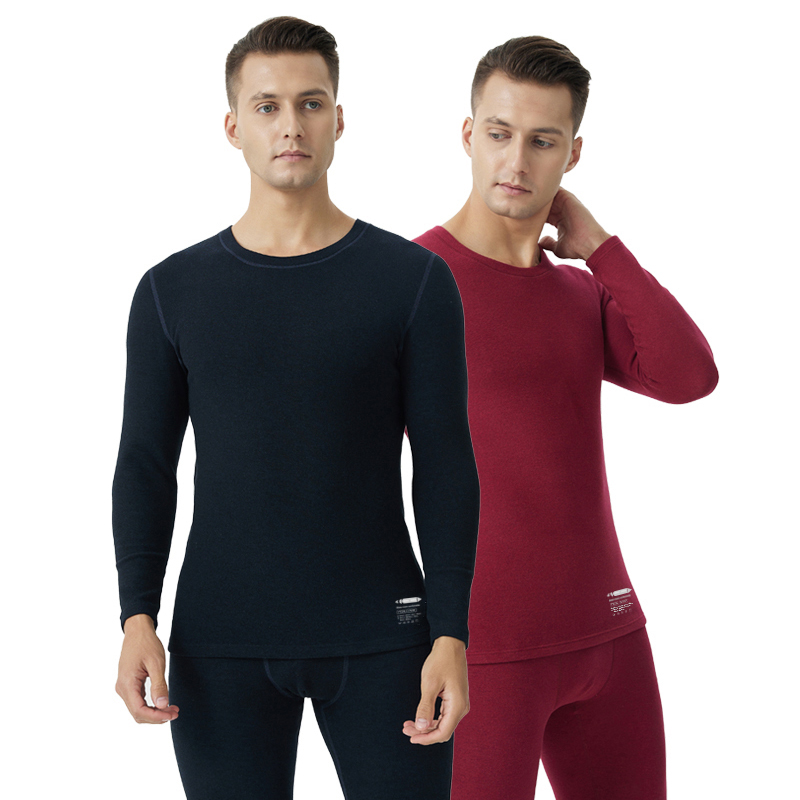
-
Dynamic Line Men Crew Neck Sets
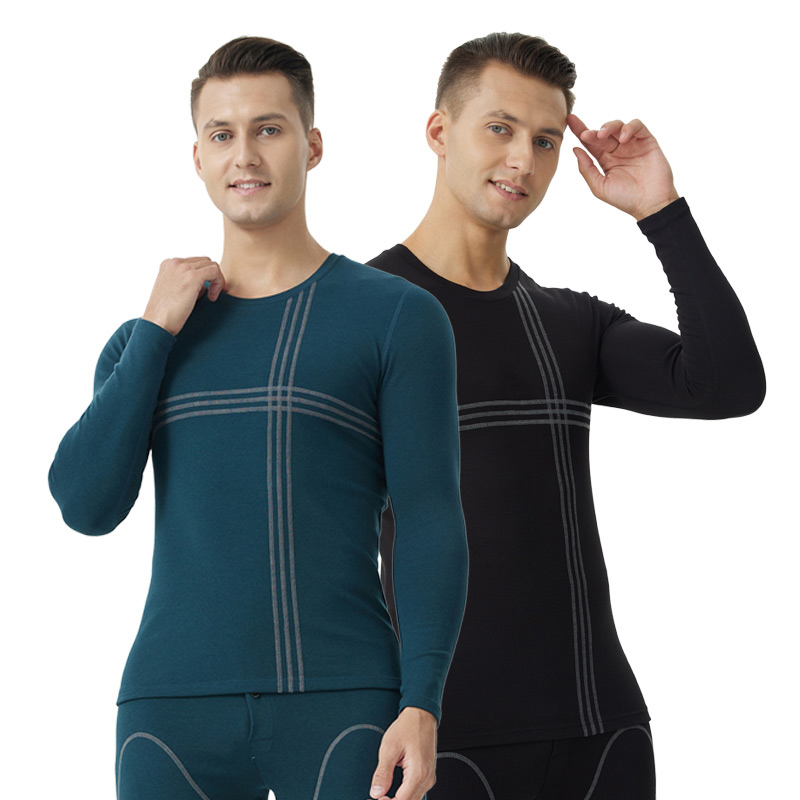
-
German Fleece Brushed Crew Neck Men Thermal Underwear Sets
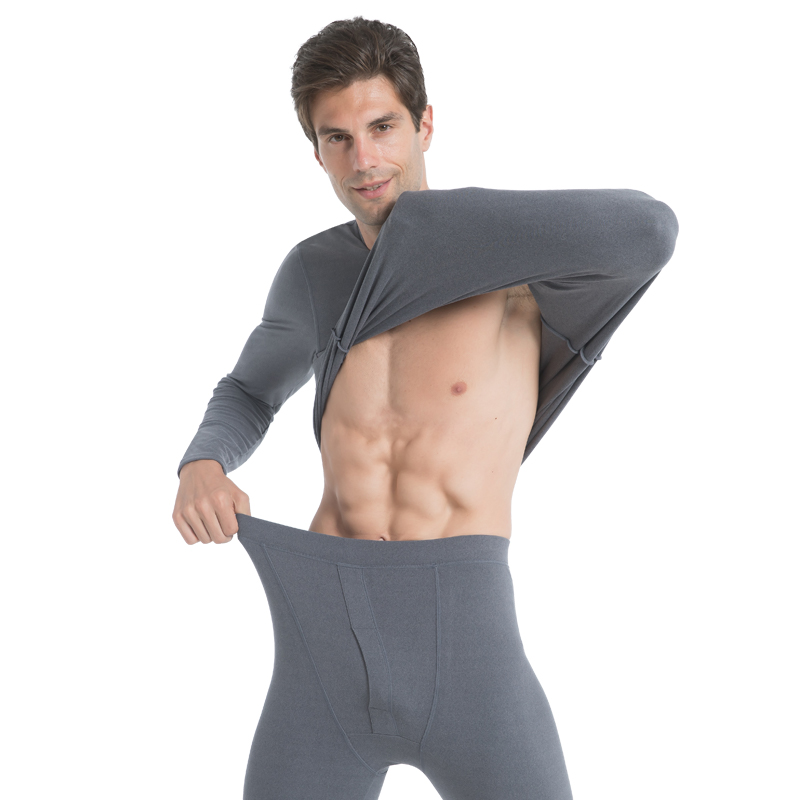
Take step and get in touch with us today.
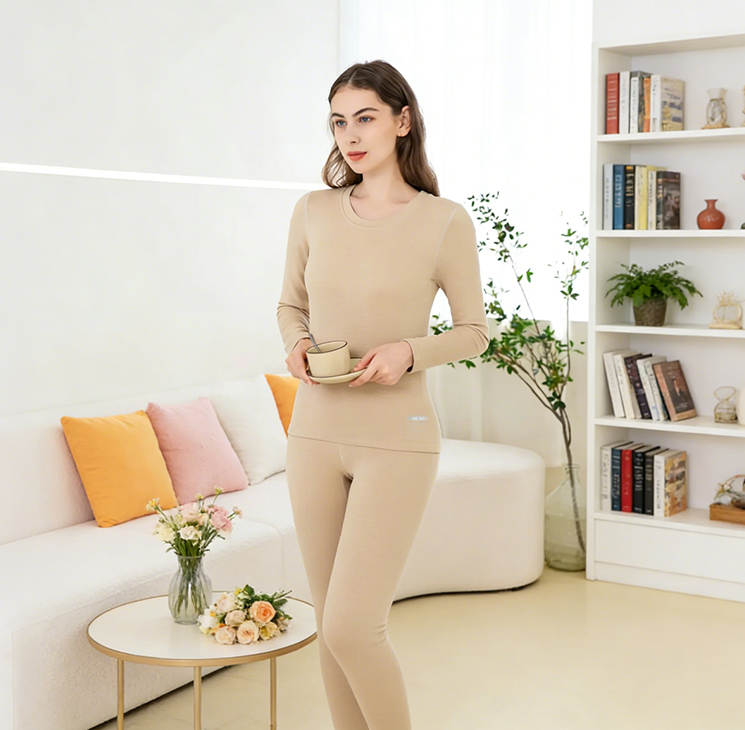
Men thermal underwear serves not merely as a tool for warding off the cold, but as a functional foundation for both outdoor activities and everyday attire. Understanding the logic behind its layering, its performance classifications, and its suitability for various scenarios helps ensure you make choices that good align with your actual needs.
The Functional Role of Men's Thermal Underwear
In modern layering systems, Men's Thermal Underwear acts as the "base layer." Worn in direct contact with the skin, it performs three core functions: insulating against cold air to maintain body temperature, rapidly wicking moisture away from the skin's surface, and small the sensation of coldness caused by dampness.
Moisture-Wicking Thermal Underwear: Why Wicking Is More Important Than You Think
When shopping for thermal underwear, many people focus solely on whether the garment is "thick enough," often overlooking the decisive impact that moisture-wicking performance has on overall comfort. The core mechanism of Moisture-Wicking Thermal Underwear lies in its ability—through the capillary action of its fibers or specialized fabric structures—to rapidly transport sweat generated by the skin to the outer layer of the fabric. This allows the moisture to evaporate quickly from the exterior surface rather than lingering against the skin, where it would create a damp, chilling sensation.
Since men generally produce more sweat than women during physical exertion, Moisture-Wicking Thermal Underwear is particularly crucial for male users. Here are the specific reasons for its importance:
- Prevents "Evaporative Cooling": After physical activity ceases, sweat accumulated against the skin can rapidly draw away body heat, leading to a sudden drop in body temperature; moisture-wicking underwear significantly mitigates this risk.
- Ensures Long-Lasting Comfort: By keeping the base layer against the skin dry—even if the outer layers become slightly damp—it maintains a comfortable feel, making it ideal for prolonged outdoor activities.
- Reduces Skin Friction and Irritation: Prolonged contact between damp fabric and the skin can easily lead to rashes or chafing; a dry base layer effectively prevents these issues.
- Optimizes Performance of Mid-Layers: In a three-layer system (Base Layer → Mid-Layer → Outer Layer), the moisture-wicking efficiency of the base layer directly impacts the overall system's ability to manage heat and moisture.
Buying Tip: Prioritize styles labeled as "moisture-wicking" or "quick-dry." Additionally, pay close attention to the fabric composition: pure cotton products absorb moisture readily but dry very slowly, making them unsuitable for scenarios involving high-intensity physical activity.
Long Johns Thermal Underwear: A Modern Evolution of a Classic Style
Long Johns represent one of the oldest and more iconic styles of men's thermal underwear. Designed to extend from the waist to the ankles, they provide complete thermal coverage for the lower body—making them a classic choice for outdoor work in cold regions, winter sports, and everyday wear in low-temperature environments.
While retaining the core advantage of full-leg coverage, modern Long Johns incorporate several functional enhancements:
- Ergonomic Cut: The knee area features a pre-curved design to small fabric tension and pulling sensations when squatting, sitting, or hiking, thereby enhancing freedom of movement.
- Elastic Waistband: A wide, elastic waistband provides a secure fit without exerting uncomfortable pressure on the abdomen, ensuring stability even during prolonged sitting or bending over.
- Ankle Cuffs: Some models feature elasticized cuffs at the ankles to prevent the pant legs from riding up, ensuring a snug and seamless fit when worn beneath outer trousers.
- Lightweight Fabrics: Modern Long Johns achieve effective thermal insulation without relying on traditional heavy materials, making them ideal for layering beneath lighter-weight outer pants.
Long Johns serve as a good base layer beneath winter workwear, ski pants, or hiking trousers. When making a purchase, pay close attention to matching the garment's inseam length to your own leg length to avoid bunching at the ankles, which can compromise comfort and fit.
Men's Thermal Underwear: Matching Performance to Specific Scenarios
Different usage scenarios place significantly different demands on the performance characteristics of thermal underwear. The table below helps consumers quickly identify the more suitable product category based on actual wearing scenarios:
| Usage Scenario | Temperature Range | Recommended Weight | Key Performance Needs | Recommended Style | Suitability |
| Urban Daily Commute | 5°C – 15°C | 150–180 g/m² | Lightweight & Discreet; Soft & Skin-hugging | Slim-fit Short-cut Set | Daily Essential |
| Winter Hiking / Mountaineering | -5°C – 5°C | 200–250 g/m² | Balanced Moisture Wicking + Warmth | Mid-weight Moisture-wicking Set | Outdoor Use |
| Skiing / Snow Sports | -10°C – 0°C | 220–270 g/m² | High Warmth Retention; Rapid Sweat Wicking | Long Johns Set | Sports-Specific |
| Outdoor Work / Industrial Settings | Below -10°C | Above 260 g/m² | Durable Warmth; Wash- & Abrasion-resistant | Heavyweight Long Johns | Workwear Use |
| Running / Cycling (Aerobic Sports) | 0°C – 10°C | 150–200 g/m² | Priority on Moisture Wicking; Lightweight & Flexible | Lightweight Moisture-wicking Style | General Sports Use |
| Travel / Multi-climate Wear | Large Temperature Fluctuations | 180–220 g/m² | Body Temperature Regulation; Anti-bacterial & Odor-resistant | Mid-weight Natural Fiber Set | Travel Recommended |
Details Men Often Overlook When Buying
- Sleeve and Pant Length: Thermal underwear should fully cover the wrists and ankles to prevent exposed skin from being subjected to cold air during movement.
- Neckline Design: A crew neck is suitable for everyday wear, while a high neck (or mock neck) is ideal for extremely cold environments, as it smalls heat loss from the neck area.
- Sizing and Fit: Thermal underwear should fit snugly against the body without feeling constrictive; if it is too loose, it creates air pockets that generate convection currents, thereby diminishing its insulating effectiveness.
- Seam Placement: If the seams at the shoulders and underarms are too thick, they can cause discomfort when compressed for extended periods by backpacks or gear straps; products featuring flatlock seams are therefore recommended.
- Long Johns Cuffs: If you typically wear shell pants or cargo pants over your thermal bottoms, opt for Long Johns with tapered or elasticized cuffs to prevent the pant legs from bunching up.
Frequently Asked Questions (FAQ)
What is the fundamental difference between "Moisture-Wicking Thermal Underwear" and standard thermal underwear?
The core difference lies in moisture management capabilities. Standard thermal underwear focuses primarily on heat retention; once the fabric absorbs sweat, it struggles to dry quickly, often resulting in a distinct sensation of dampness and cold after prolonged physical activity. Moisture-wicking thermal underwear, conversely, utilizes a specialized fiber structure to rapidly channel sweat away from the body to the outer surface of the fabric, where it evaporates. This ensures the layer closest to the skin remains relatively dry, offering significantly good performance in environments involving high-intensity activity or significant temperature fluctuations.
Are "Long Johns" suitable for everyday office wear?
Absolutely. Modern Long Johns are made from lightweight, thin fabrics that create virtually no bulk when worn underneath dress trousers or casual pants. By choosing lightweight options (150–180 g/m²) or slim-fit cuts, you can enjoy comfortable daily commuting without compromising your professional appearance. However, if your office is heated, it is advisable to select styles with high breathability to prevent overheating.
Should men's thermal underwear be purchased as separate tops and bottoms, or is a matching set a better choice?
Both approaches have their advantages. Purchasing a matching set is typically more cost-effective, and since the top and bottom share the same fabric, they offer balanced thermal performance. Buying separates, on the other hand, offers greater flexibility; you can select different fabric weights (grams per square meter) for your upper and lower body based on the specific demands of your activity—for instance, choosing a top designed for good moisture-wicking while prioritizing warmth for the bottoms (Long Johns). This strategic mix-and-match approach is quite common in professional outdoor settings.
Does thermal underwear generate static electricity when worn underneath outer trousers? How can this be small?
Thermal underwear made from synthetic fibers is indeed prone to generating static electricity through friction against outer trousers, particularly in dry environments. Methods to reduce static include: opting for styles made from natural fibers or natural-synthetic blends; using an anti-static laundry detergent when washing; avoiding wearing outer trousers and inner layers made of the exact same synthetic material; and, prior to dressing, lightly misting the inner surface of your trouser legs with an anti-static spray.
Does a higher fabric weight (grams per square meter) in men's thermal underwear necessarily guarantee better thermal insulation?
While a higher fabric weight does indeed signify a thicker material—creating a larger layer of trapped, still air—and thus offers good thermal insulation, the "thicker is always better" philosophy does not apply to every situation. High-weight garments dissipate heat slowly during high-intensity activities; this can easily lead to overheating and excessive sweating, which, ironically, accelerates the rate at which your body loses heat. When selecting a fabric weight, you should make a comprehensive judgment based on both the intensity of your planned activity and the ambient temperature, rather than simply chasing the high numerical value.
What should I do if the legs of my Long Johns keep riding up while I'm wearing them?
The issue of trouser legs riding up is typically linked to either an oversized fit or a design that lacks elastic cuffs. It is recommended to choose Long Johns styles that feature elasticized cuffs, as these effectively anchor the leg openings in place. If you have already purchased a style without cuffs, you can wear them in conjunction with knee-high socks by tucking the cuffs of the Long Johns into the tops of your socks; this method also serves to keep them securely in place. Additionally, opting for a snug, well-fitted size—rather than a loose one—can significantly reduce the frequency with which the fabric shifts out of place.
-

We are a professional clothing manufacturer specializing in comfortable and high-quality basic clothing.
-
Quick Links
Company Why Us Resource Thermal Underwear Blog Contact -
Products
Women Thermal Underwear Men Thermal Underwear Kid’s Thermal Underwear -
About Us
Factory Honour FAQ -
- Call our office Phone: +86-18058499998
- Send a message E-mail: [email protected]
- Our address 7th Floor, No. 478, Ganxi West Street, Jiangbei Subdistrict, Dongyang City, Jinhua City, Zhejiang Province
