
 English
 русский
 Español
 عربى
عربى
Kid’s Thermal Underwear
The children thermal underwear is made from high-quality fabric, specially designed for children's delicate skin. It's soft and comfortable to the touch, gentle and non-irritating, providing a snug fit without restricting movement, allowing children to move freely in their daily lives and during playtime. The fabric boasts excellent thermal insulation properties, locking in body heat even in cold weather, providing comprehensive warmth and protection for your child. At the same time, the underwear is highly breathable, effectively regulating body temperature and preventing stuffiness and discomfort from sweating, keeping your child dry and comfortable all day long. Whether for wearing at home or during outdoor activities, this thermal underwear provides a lightweight and fluffy warmth. The soft, form-fitting design conforms to the body's curves, balancing comfort and warmth. The fabric is durable and easy to wash, resistant to pilling, and long-lasting, making it convenient for parents. The overall design not only focuses on warmth but also considers children's activity needs, allowing children to explore freely and grow happily during the cold season, while protecting their delicate skin and providing warmth and care. It's an essential thermal garment for children in winter.
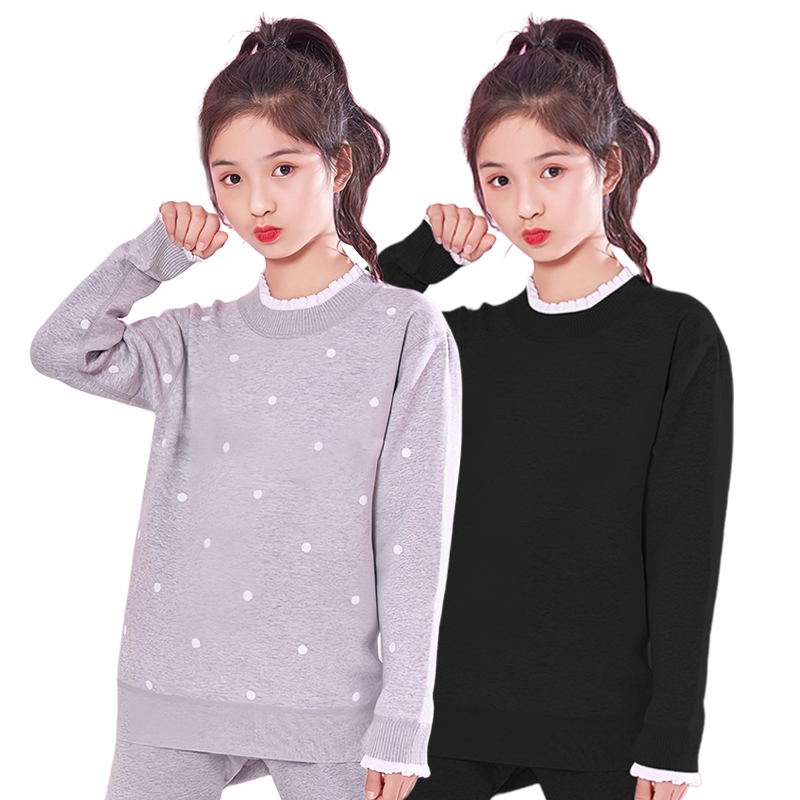
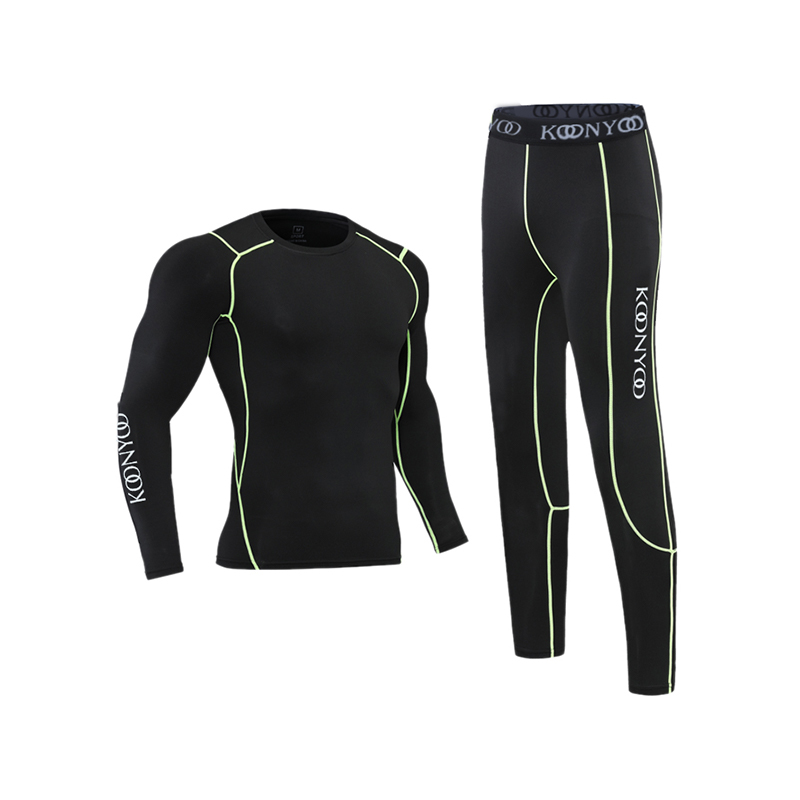
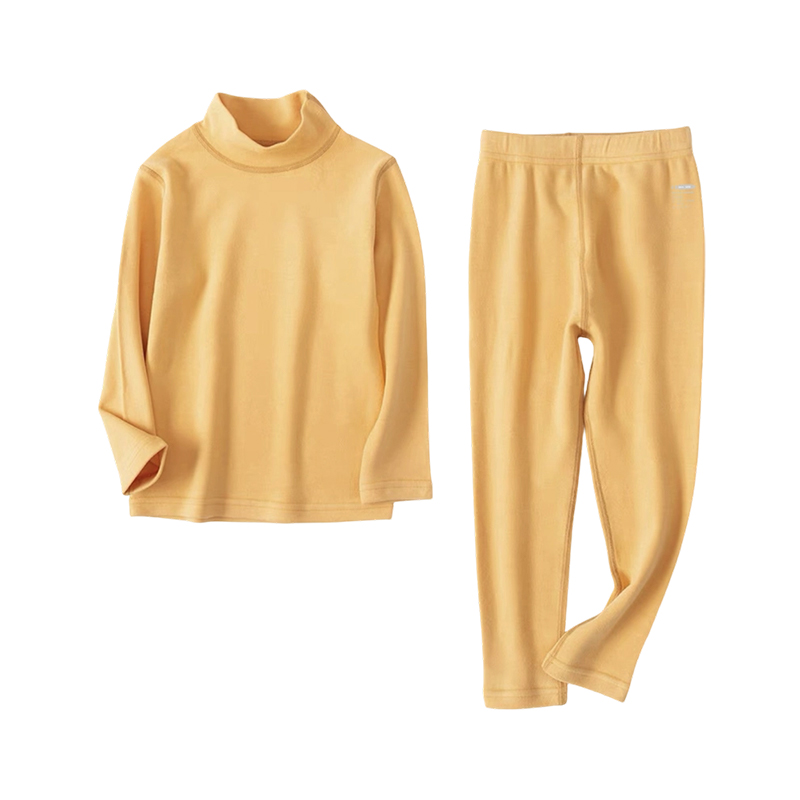
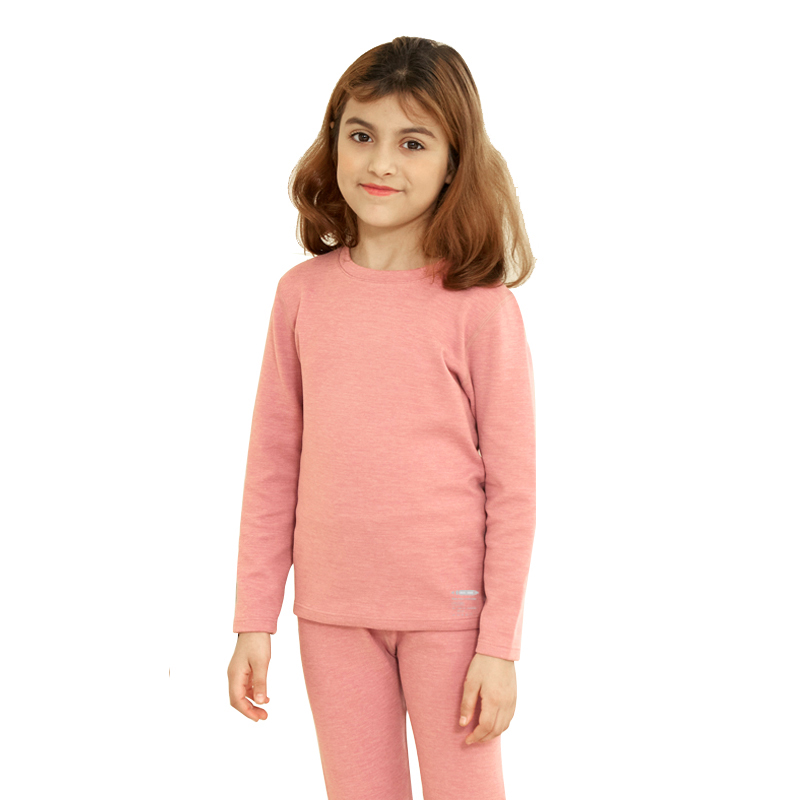
Take step and get in touch with us today.

As a fundamental category of winter apparel, children's thermal underwear occupies a significant position within the global children's wear market. Given that children possess weaker thermoregulatory capabilities than adults—and their skin exhibits lower tolerance to friction and irritation—these products face rigorous demands regarding skin-friendliness, elasticity, and thermal insulation levels. The primary usage scenarios for children's thermal underwear include daily home wear, layering for outdoor sports, travel in cold climates, and winter sleepwear.
Primary Age Group: 2 to 14 years old
Core Functional Requirements: Warmth · Breathability · Skin-Friendliness
Based on function and structure, products in the market are typically categorized into two core directions: Lightweight Thermal Underwear (prioritizing thinness and flexibility) and Fleece-Lined Thermal Underwear (prioritizing deep insulation). Each category emphasizes different aspects regarding suitable temperatures, wearing comfort, and usage scenarios.
Analysis of Mainstream Categories
- Lightweight Thermal Underwear
Lightweight Thermal Underwear refers to product lines designed to prioritize lightness, a close fit, and freedom of movement while still ensuring basic thermal insulation performance. Fabrics in this category typically feature a lower weight (grammage) and are suitable for autumn, early winter, or indoor environments; they frequently serve as the foundational base layer within a multi-layered clothing system.
Industry Insight: Key performance indicators for Lightweight Thermal products include fabric weight (g/m²), elastic recovery rate, and moisture-wicking efficiency. A fabric weight typically ranging between 150 and 220 g/m² is considered the standard for the lightweight category, making it ideal for active children as it avoids restricting their range of motion due to excessive bulk.
- Fleece-Lined Thermal Underwear
Fleece-Lined Thermal Underwear features a fleece structure attached to the inner surface of the outer fabric; this design enhances thermal efficiency by creating a thicker layer of trapped, static air. The fleece surface offers a soft touch and, when worn close to the skin, establishes a stable microclimate layer. This category is well-suited for colder winter temperatures and frigid outdoor environments. It is particularly favored by parents of school-aged children, as it serves as an ideal complementary base layer to be worn underneath outerwear such as ski suits or down jackets.
Industry Insight: The pile height (fiber length) and density of the fleece lining in these products directly influence their thermal insulation value (measured in CLO units). For children's garments, the pile height is typically kept within the 2–4 mm range, striking a balance between warmth and ease of dressing/undressing. Excessively long pile is prone to pilling after repeated washing, making manufacturing quality a critical factor that significantly impacts the long-term user experience.
Reference Table: Comparison of Functional Parameters
The table below compares key industry parameters for two types of children's thermal underwear across multiple dimensions, serving as a reference guide for purchasing and product selection:
| Comparison Dimension | Lightweight Thermal Underwear | Fleece-Lined Thermal Underwear |
| Applicable Temperature Range | 5°C – 15°C (Early Autumn/Mild Winter) | -10°C – 5°C (Severe Winter Cold) |
| Typical Fabric Weight | 150 – 220 g/m² | 280 – 420 g/m² |
| Layering Position | Base Layer (Primary Inner Layer) | Mid Layer / Base Layer (Insulating Layer) |
| Freedom of Movement | High (Highly elastic; unrestricted movement) | Moderate (Slightly thicker; minor restriction during vigorous activity) |
| Breathability & Wicking | Strong | Moderate (Primarily focused on thermal insulation) |
| Skin Feel | Smooth and close-fitting | Soft and fluffy; distinct fleece texture |
| Care & Maintenance | Simple; resistant to deformation | Requires care to prevent pilling; low-temperature washing recommended |
| Applicable Scenarios | Daily schoolwear, indoor use, sports base layer | Outdoor skiing, cold-weather travel, stationary warmth |
| Recommended Outerwear Pairing | Lightweight down jackets, windbreakers | Heavy down jackets, ski suits, technical shell jackets |
Key Points on Safety and Compliance for Children's Thermal Underwear
When selecting or purchasing children's thermal underwear, safety and regulatory compliance are the primary considerations. Children's thermal garments must adhere to regional textile standards for children, primarily addressing the following aspects:
- Formaldehyde Content Limits: For children's underwear that comes into direct contact with the skin, formaldehyde levels must be strictly controlled. Typically, the requirement is ≤ 20 mg/kg (in accordance with the EU Oeko-Tex Standard 100 for infants and toddlers).
- Color Fastness Requirements: Since children's thermal underwear is worn close to the body for extended periods, it must meet specific standards for color fastness against perspiration and washing. This ensures that dyes do not migrate from the fabric to the skin, thereby preventing skin irritation.
- Drawstring Safety Guidelines: For products featuring a fleece-like texture—such as Fleece-Lined Thermal Underwear—any adjustable drawstrings located at the neckline or cuffs must comply with safety standards for drawstrings on children's clothing (e.g., EN 14682) to prevent potential safety hazards.
Frequently Asked Questions (FAQ)
What age range is Lightweight Thermal Underwear suitable for?
Lightweight Thermal Underwear is suitable for children of all ages, with available sizes typically covering the range from 2 to 14 years old. Due to its lightweight and form-fitting nature, it is particularly well-suited for the daily wear of school-aged children who engage in high levels of physical activity. When purchasing, we recommend consulting the brand's size chart—specifically the height and chest circumference measurements—rather than relying solely on age-based recommendations.
Can Fleece-Lined Thermal Underwear be worn on its own, or must it be paired with an outer layer?
Fleece-Lined Thermal Underwear offers flexible styling options depending on the temperature. In indoor settings or during light outdoor activities where temperatures range between approximately 0°C and 5°C, it can be worn as a standalone garment. However, if temperatures remain consistently low or if outdoor wind speeds are high, we recommend layering it with a windproof jacket or a thick down coat to fully leverage its insulating properties as a thermal mid-layer.
How should children's thermal underwear be washed to big its lifespan?
Lightweight Thermal styles typically possess good wash durability and can be machine-washed in accordance with the instructions on the care label. For Fleece-Lined styles, we recommend washing on a gentle cycle at a low temperature (below 30°C) and avoiding high-heat tumble drying to prevent the fleece from shrinking or pilling. To small wear and tear on the outer fleece surface, it is advisable to turn the garment inside out before washing; for drying, either lay the garment flat or use a low-heat tumble dry setting.
What safety standards should I look out for when purchasing children's thermal underwear?
Focus primarily on three key points: First, does the formaldehyde content comply with the regulatory limits established for infant and children's products that come into direct contact with the skin? Second, does the colorfastness meet the required standards for resistance to perspiration and friction? Third, does the design of any drawstrings or cords on the product comply with safety regulations for children's clothing (e.g., EN 14682)? Products that hold independent third-party certifications—such as Oeko-Tex Standard 100—are highly recommended as a preferred choice.
-

We are a professional clothing manufacturer specializing in comfortable and high-quality basic clothing.
-
Quick Links
Company Why Us Resource Thermal Underwear Blog Contact -
Products
Women Thermal Underwear Men Thermal Underwear Kid’s Thermal Underwear -
About Us
Factory Honour FAQ -
- Call our office Phone: +86-18058499998
- Send a message E-mail: [email protected]
- Our address 7th Floor, No. 478, Ganxi West Street, Jiangbei Subdistrict, Dongyang City, Jinhua City, Zhejiang Province
